
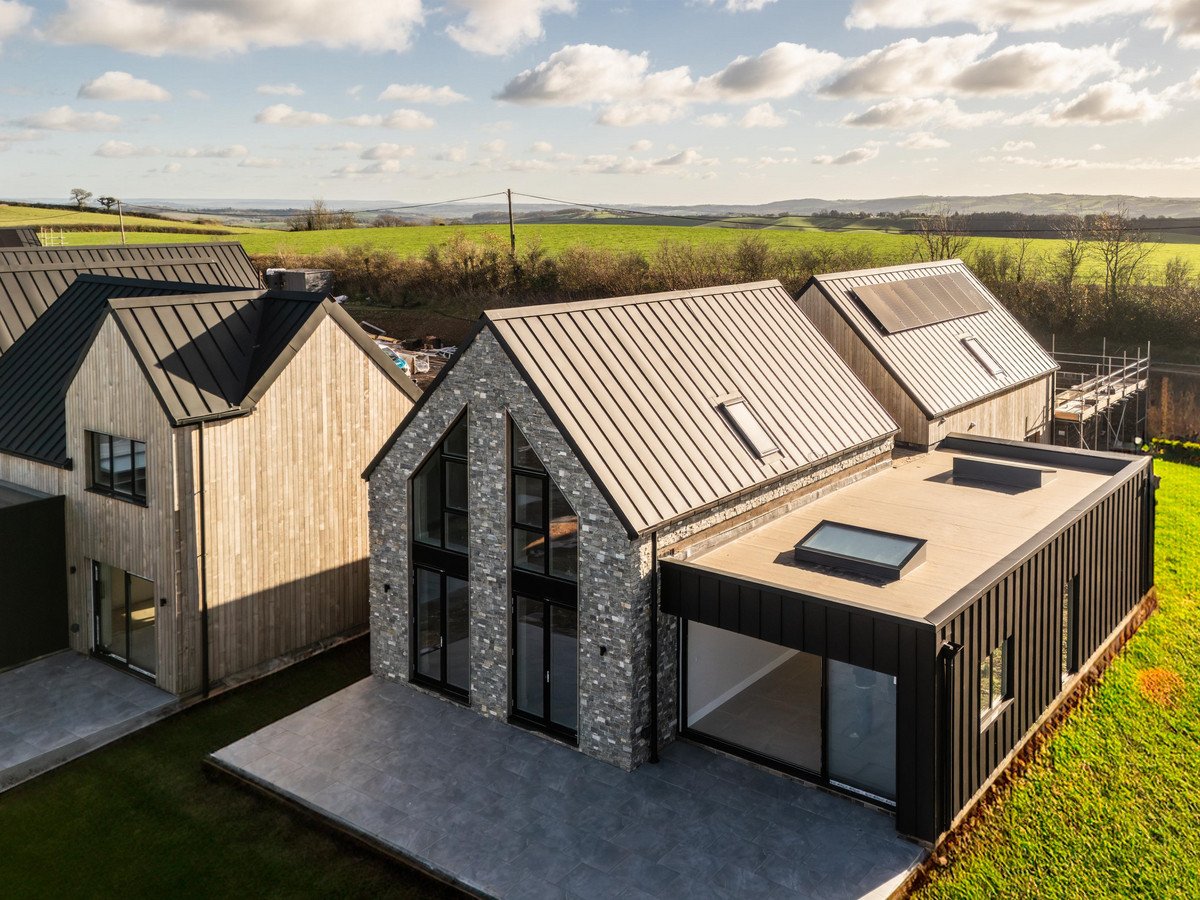
When you view a home, it is easy to focus on the kitchen, the layout and the asking price. Some of its most valuable features may be much less obvious: the insulation behind the walls, the ventilation system, the heating design and the electricity being generated on the roof.
A well-designed new or recently built home can offer more than a fresh finish. It can provide a comfortable environment, lower energy demand and less immediate work to take on. With mortgage affordability under pressure, those practical benefits deserve a place in the buying decision.
I have marketed and sold a range of modern homes across Devon and Somerset. Not all are brand new. Some are recent resales, while others have been improved since construction. The important question is what the individual home offers, rather than simply its age.
Start with the building itself
Good insulation, carefully fitted windows and controlled air leakage help a home retain warmth. Modern Building Regulations put greater emphasis on energy performance than many older standards, but the applicable rules depend on when a development was approved and built. “Recently built” does not mean every home has the same specification.
Ask for the completed EPC, the construction details and the systems included in the sale. A predicted EPC for an unfinished home is not the same as its final certificate. An EPC is a useful comparison tool, but its modelled figures are not a promise of your actual bill.
MVHR: fresh air without losing so much warmth
Mechanical ventilation with heat recovery, usually shortened to MVHR, extracts stale air from rooms such as kitchens and bathrooms and supplies fresh air to living spaces. A heat exchanger transfers much of the warmth from the outgoing air to the incoming air, while keeping the air streams separate.
That is particularly useful in an airtight home: ventilation still matters, but less heat needs to be thrown away to achieve it. Correctly designed and commissioned, the system can help manage moisture and maintain a comfortable indoor environment.
All homes at Hillcrest View have MVHR. The published specifications for The Ash, The Willow and The Cedar describe whole-house ventilation with heat recovery alongside other energy features. It is a good example of treating the home as a coordinated system.
Buyers should ask for commissioning records, a demonstration of the controls and filter-cleaning or replacement instructions. MVHR uses electricity and needs maintenance; it is not air conditioning or a guarantee against condensation. NHBC’s home-user guidance explains the importance of understanding these systems.
Triple glazing: a benefit you can feel
High-performance glazing helps reduce heat loss and cold surfaces around windows. Depending on the specification, it can also improve acoustic comfort. Hillcrest View’s listings include triple-glazed aluclad windows.
Look at the performance of the complete window, including its frame and installation, rather than counting panes alone. The Energy Saving Trust notes that the overall energy rating gives a better indication of a window’s energy-saving potential. Well-specified double glazing can also form part of an efficient home.
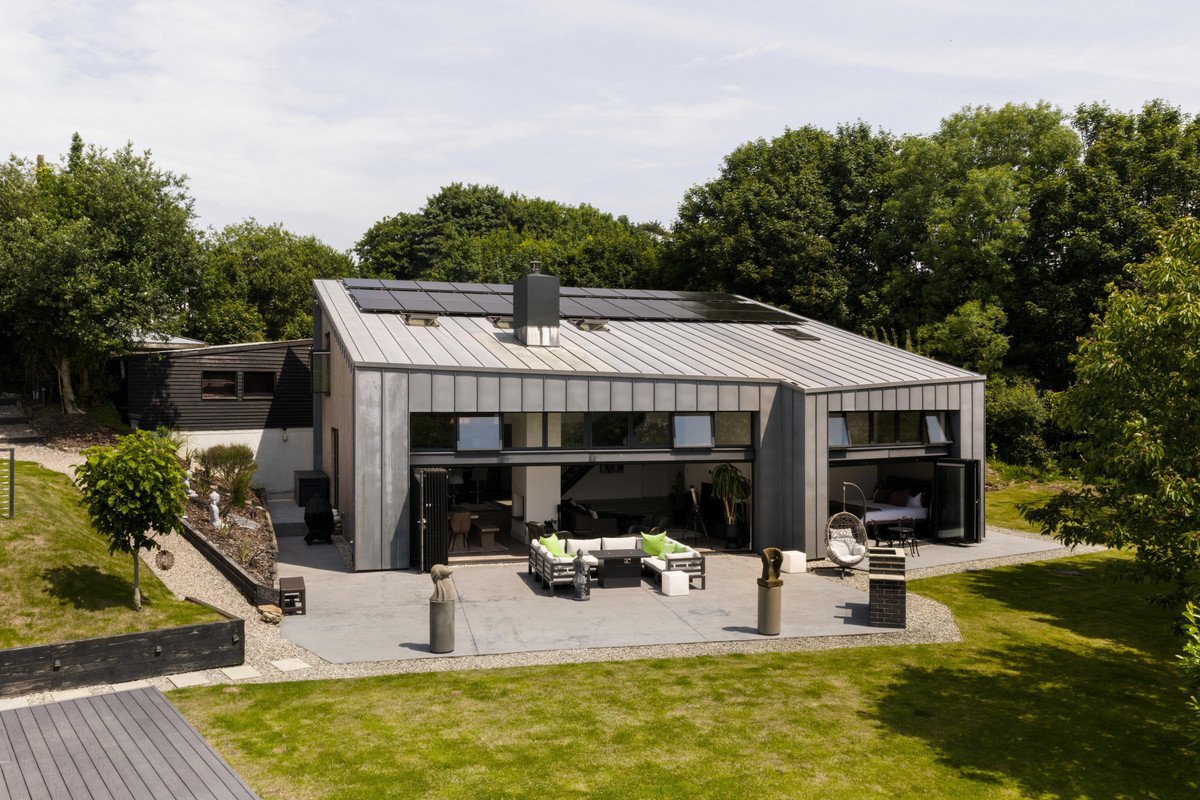
Air-source heat pumps: efficient heating, properly designed
An air-source heat pump moves heat from outside air into the home using electricity. It can provide several units of heat for each unit of electricity consumed, although performance changes with conditions and the system’s design.
Well-insulated homes with suitably designed underfloor heating or radiators can be a good fit for lower-temperature heating. Hillcrest View includes air-source heating; Haven House in Kentisbeare and the Brook Street home in North Newton also list heat pumps.
Lower energy use does not automatically mean a lower bill than every alternative. Electricity and gas tariffs, flow temperatures, controls and household habits all affect the comparison. The Energy Saving Trust’s heat-pump guidance is a useful starting point. Ask how the system was designed, how to operate it and what servicing it needs.
Solar panels and batteries: making better use of electricity
Solar PV panels generate electricity that can be used in the home. A battery can store surplus generation for later, reducing the need to buy electricity at other times. Some systems can also charge from the grid during cheaper tariff periods.
Caddecleave House demonstrates why the discussion should include recently built homes as well as brand-new ones: its listing describes solar and battery upgrades made after construction. Hillcrest View lists solar panels, but buyers should check the specification of their particular plot rather than assume a battery is included.
Savings depend on roof orientation, shading, system size, usable battery capacity, tariffs and when you use electricity. Solar output is lower in winter, when heating demand is usually higher. Ask who owns the equipment, what warranties remain and whether monitoring and export arrangements can transfer to you. Energy Saving Trust: solar panels and storage.
EV charging: everyday convenience
A home chargepoint can make electric-car ownership easier and allow charging during cheaper off-peak periods, where a suitable tariff is available. Hillcrest View includes EV charging in its advertised specification.
Check the chargepoint’s compatibility, output and controls, and compare the tariff for the whole household. A low overnight charging rate may come with a higher daytime price. Home charging is often cheaper than public charging, but your actual costs depend on the arrangement you choose. Energy Saving Trust: charging electric vehicles.
A higher mortgage payment can come with lower running costs
The right comparison is the full monthly budget: mortgage, energy, council tax, insurance, estate or service charges and a sensible allowance for upkeep.
For illustration, if one home costs £100 more each month on the mortgage but £120 less in energy costs, those two items together are £20 cheaper. That is arithmetic, not a forecast for these properties. Obtain evidence for the homes you are comparing before assuming a saving.
A newer home may also reduce the need for immediate replacement windows, heating upgrades or insulation work. However, new systems still need servicing and eventual replacement, and a larger efficient house can cost more to run than a smaller older one. Lower running costs can offset part of a purchase premium; they cannot be assumed to cover it.
What does RICS say?
In its professional standard Valuation of individual new-build homes, RICS identifies comfort, reduced running costs, energy-efficient materials and high EPC ratings among benefits that can remain relevant on resale. It also distinguishes those lasting attributes from the temporary appeal of being the first owner.
That supports looking beyond a new kitchen or an untouched finish. It does not mean RICS endorses these developments or guarantees a price premium. Its energy-efficiency consumer guide also stresses that insulation and airtightness must be considered alongside appropriate ventilation. The quality of the whole home matters.
Why the build warranty matters
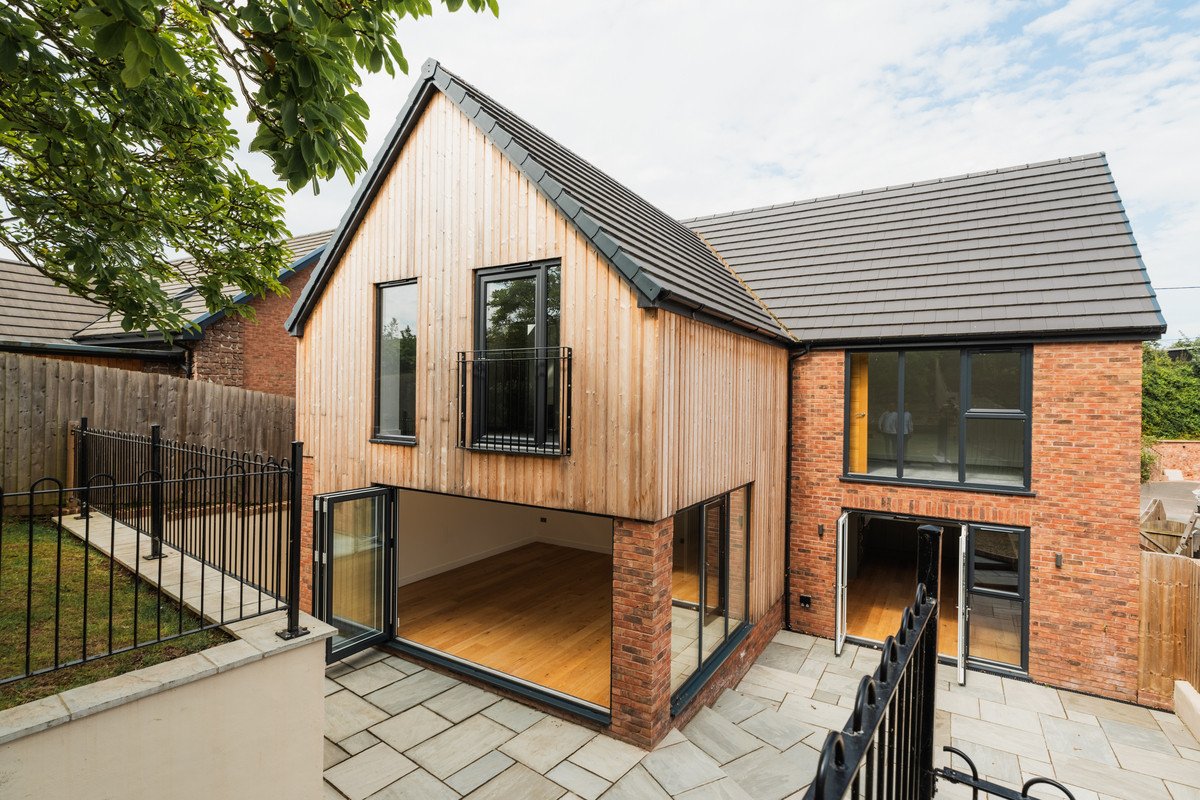
A new-home warranty can provide valuable protection if covered construction problems arise. It is important to understand exactly what it protects, who provides it and when cover starts and ends.
For example, NHBC Buildmark generally combines an initial two-year builder warranty with eight further years of insurance covering defined defects and damage to specified parts of the home. That is an example of one scheme, not a description of every warranty or confirmation that these homes have NHBC cover.
The Brook Street listing specifies a ten-year ICW warranty. Recently built resales may have a remaining balance of their original cover, rather than a fresh ten years. Ask your conveyancer to confirm the provider, certificate, remaining term, transfer arrangements, exclusions, claim thresholds and any previous claims.
A warranty does not replace buildings insurance, routine maintenance or an appropriate inspection. Equipment guarantees may be separate. A snagging inspection and a clear process for reporting defects remain useful even when structural cover is in place.
Consider the home you will live in
New and recently built homes can combine modern layouts with practical advantages that are easy to overlook during a viewing. The strongest case is a home whose construction, energy systems and ongoing costs work for your lifestyle.
My advice is to look beyond the headline price. Understand the specification, ask for the paperwork and compare the full cost of ownership. A well-chosen modern home can offer comfort and efficiency for years to come.
Looking for a modern home?
Speak to Jonathan about new developments and recently built homes, and the features that matter to your next move.
Discuss your searchExplore the homes and developments
These are homes I am marketing or have marketed and sold. Availability changes; the linked pages show the latest listing information. Features and warranty cover vary by property and plot.
- Folly Gate, near Okehampton — development
- Caddecleave House, Kentisbury — solar and battery storage
- The Ash, Hillcrest View, Copplestone
- The Willow, Hillcrest View, Copplestone
- The Cedar, Hillcrest View, Copplestone
- Haven House, Silver Street, Kentisbeare — recently built resale
- Brook Street, North Newton — sold
Listing details and guidance checked on 2 October 2026. Images from the linked Moveli listings. The homes shown have different specifications; photographs do not establish that every feature described is present in every property.
Continue exploring
More Property Insights · Search Devon properties · Development consultancy
Discuss your plans directly with Jonathan: 07395 811712.