
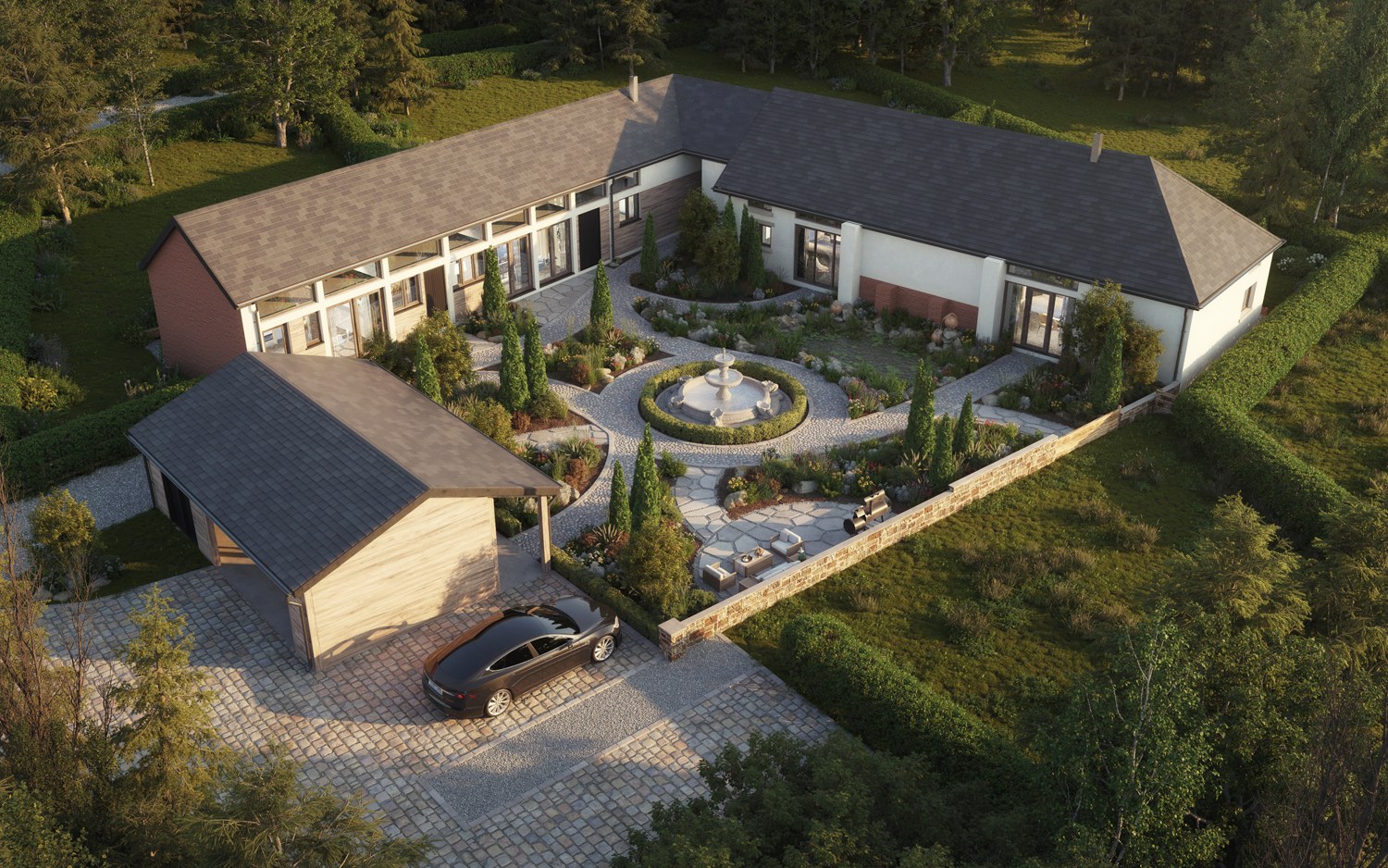
A developer can create a beautifully built home and still find it difficult to sell. The workmanship may be excellent, the specification impressive and the setting attractive. Yet if the layout, price or overall proposition does not suit the people buying in that location, the scheme can struggle to find its audience.
That is why I believe development consultancy should begin as early as possible, ideally before a land purchase is committed to or a design becomes fixed. The aim is to improve the scheme’s commercial potential while making sure the finished homes are genuinely saleable.
Profit and saleability belong in the same conversation
Profit is often discussed through a spreadsheet: land cost, construction cost, professional fees and an anticipated gross development value. Those figures matter, but the projected sales values need to be supported by a credible picture of buyer demand.
Saleability means more than whether a home will eventually sell. It is about how convincingly the property meets a buyer’s needs at its intended price, how broad or narrow its audience is, and what could prevent an interested person from proceeding.
A higher projected asking price does not automatically produce a stronger outcome. A scheme that takes longer to sell can face additional finance, holding and marketing costs. A home that attracts committed buyers at an achievable price may be commercially more effective than one designed around an ambitious valuation that the market does not support.
The best time to ask who will buy your development is before you decide exactly what to build.
Start with the buyer, then shape the scheme
Before discussing finishes, I want to understand the site, its surroundings and the likely purchaser. Are we designing for local families, downsizers, commuters or buyers relocating to Devon? What alternatives will they compare it with? What can they realistically afford?
Different buyers attach value to different things. A downsizer may prioritise accessible accommodation and manageable outside space. A family may need useful bedrooms, storage, parking and a kitchen that works around everyday life. A striking architectural feature can help a home stand out, but it needs to sit alongside the practical details that make someone want to live there.
There is no universal formula. The right proposal comes from understanding that particular location and the buyers it is likely to attract.
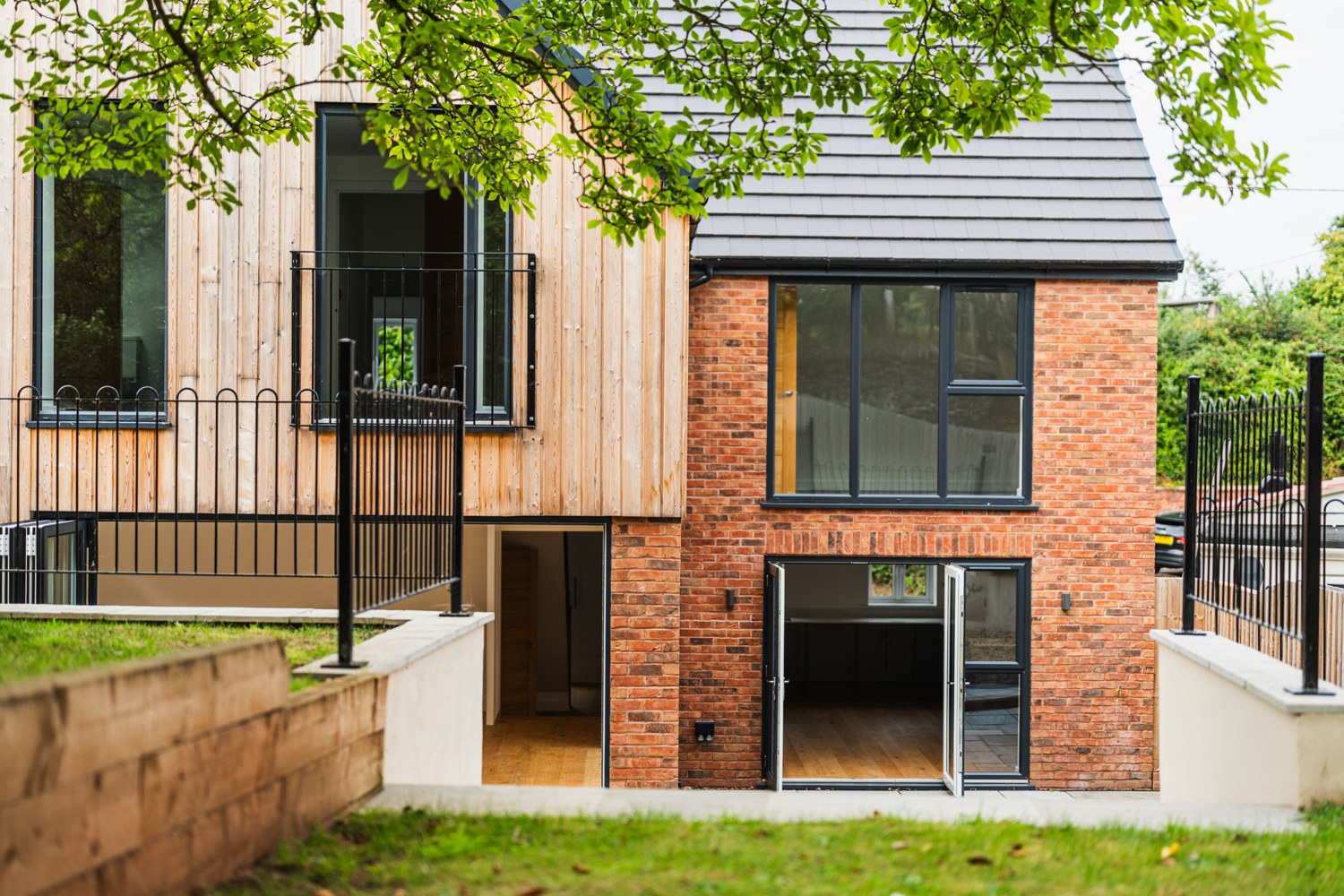
Small decisions can have a lasting commercial effect
Early advice gives us an opportunity to question assumptions while alternatives are still being considered. Does an additional bedroom create a more desirable home, or does it leave every room feeling compromised? Is there enough storage? Does the garden suit the house? Can visitors park without making the site feel crowded?
On a development with several homes, we can also consider the mix of properties and the relationship between their price points. A range that responds to different needs may be more useful than repeatedly delivering the same product without testing demand.
These discussions help the design team make informed choices. Sometimes a modest adjustment to layout can be more valuable to the buyer than an expensive upgrade they barely notice.
Test the value of the specification
High quality should be evident in the way a home feels and functions. Kitchens, bathrooms, landscaping and energy systems all contribute, but the budget needs to be spent where it strengthens the proposition.
We should ask what a proposed feature means to the purchaser and how clearly that benefit can be communicated. Comfort, lower energy demand and ease of maintenance can support the appeal of a modern home. Actual running costs will depend on the building, its systems and how the occupier uses them.
The objective is a coherent specification suited to the market and price point. Adding cost simply because a feature sounds premium can reduce the margin without producing a corresponding increase in achievable value.
Engage before the expensive decisions are fixed
Once land has been purchased, proposals approved and construction started, the scope for change narrows. Alterations can require redesign, further permissions, additional expenditure or disruption to the programme.
Engaging early lets us discuss the proposed gross development value, layout, specification and market positioning alongside the practical development considerations. It also gives us time to identify assumptions that need further investigation before they become embedded in the project.
Our role complements the architect, planning adviser and other professionals. Market advice helps connect their work with the eventual buyer, so the scheme is considered from both a delivery and a sales perspective.
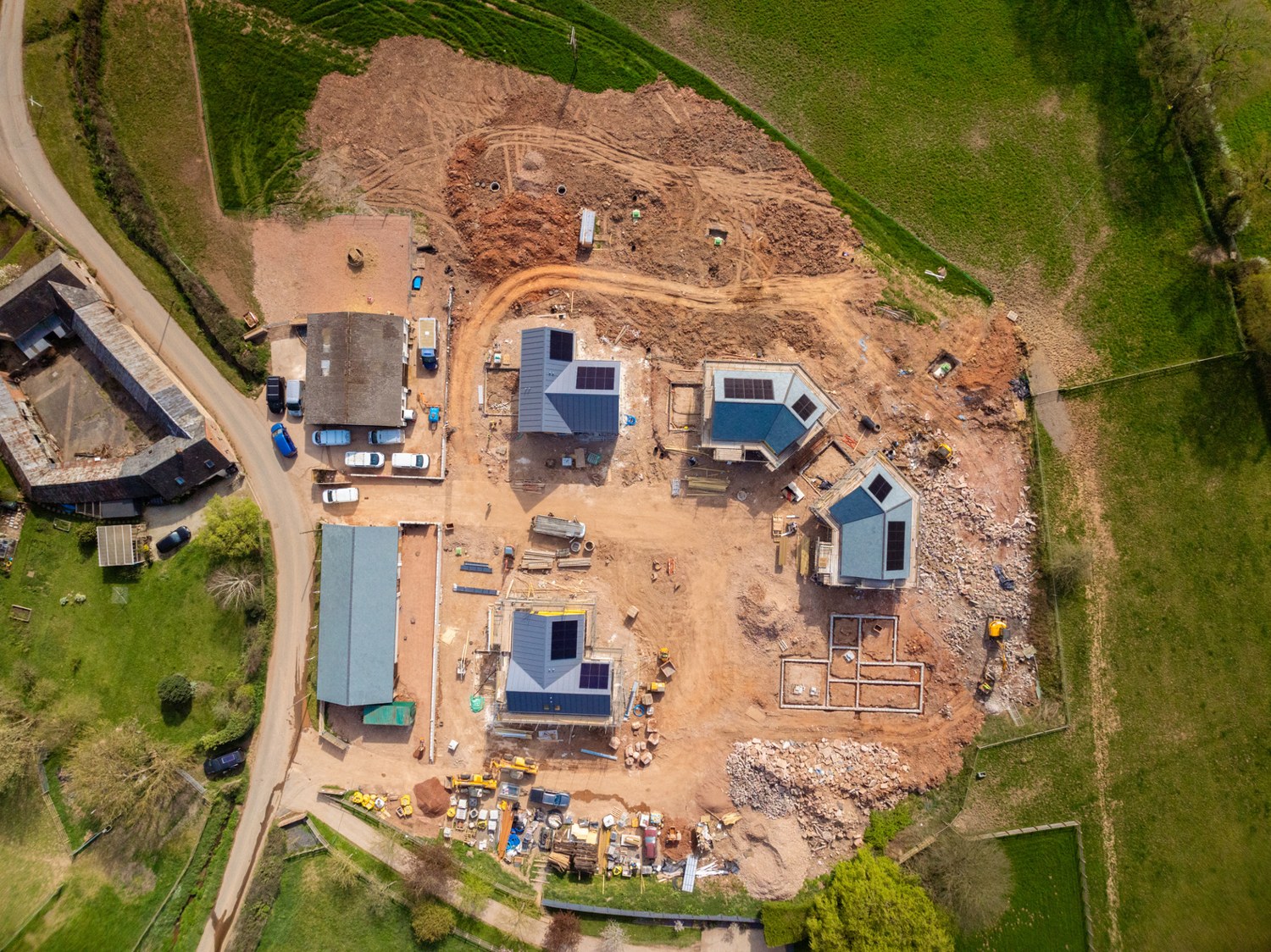
Marketing begins before completion
A marketing strategy should be part of the development conversation from the outset. What is the scheme’s strongest story? Which features need explaining? What photography, film or visual material will help buyers understand it? When is the right time to introduce it to the market?
At Devon Property Partners, we create bespoke marketing plans around the development’s location, audience and price point. That can include premium digital content, targeted campaigns and social media activity. Where beneficial, dedicated development accounts can build awareness before launch.
Thoughtful marketing helps communicate the value of a well-considered scheme. Its strongest foundation is a product that already makes sense for its buyer.
A partnership that sees the whole picture
I provide local market insight, buyer understanding and property marketing experience. My partners, Andrew Pugh and Philip Colemon, each bring more than 35 years in the property development industry. Both are successful developers who continue with development and building on a daily basis. Their experience spans acquisition, construction, project management and residential and commercial development across the South West.
Together, we help developers, self builders and homeowners consider site potential, viability, design and the eventual sale. Our initial consultation is tailored to the project and typically includes site analysis, an assessment of gross development value, design and layout feedback, and advice on market positioning.
The earlier we have that conversation, the more opportunity there is to shape the outcome. If you are considering a site or working on an initial scheme, that is the time to ask whether the homes will appeal to their intended buyers and whether the commercial assumptions stand up to scrutiny.
Have a scheme in mind?
Discuss your plans before the key decisions are fixed. Our initial consultation is £400 plus VAT (£480 including VAT), tailored to your site or development.
Explore Development ConsultancyContinue exploring
More Property Insights · Search Devon properties · Development consultancy
Discuss your plans directly with Jonathan: 07395 811712.